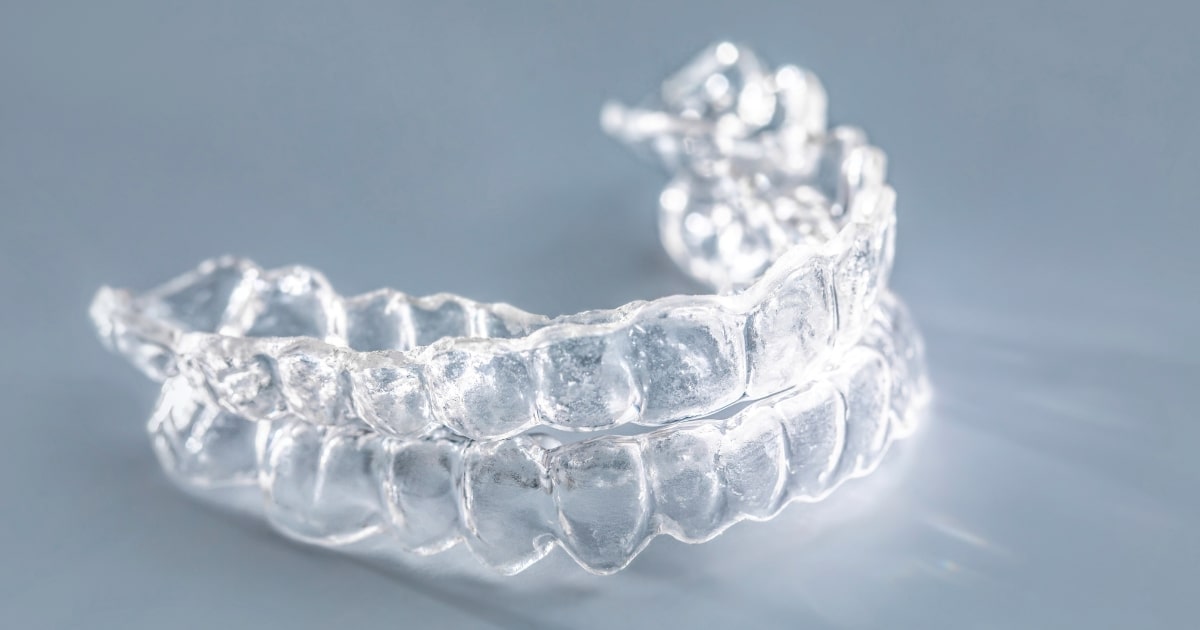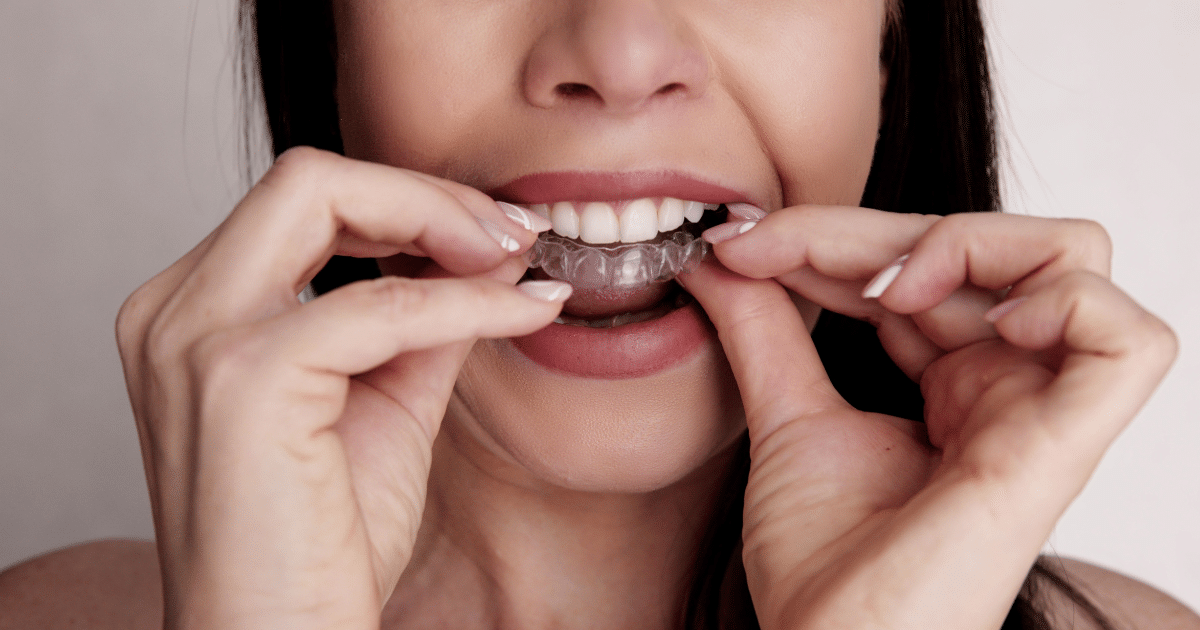
A straight smile is a significant commitment to your self-confidence, but noticing a yellow tint on your teeth mid-treatment can feel like a setback. You spend twenty-two hours a day with plastic trays over your teeth, expecting them to emerge looking better than ever. It is surprisingly common for patients to notice a color change during this process, and the cause is usually far less alarming than you might think. Most of the time, the yellowing isn’t a permanent change to your enamel but rather a temporary result of how the trays interact with your daily habits.
The trays act as a seal, which is perfect for moving teeth but also very effective at trapping substances against your enamel. If you aren’t meticulous with your hygiene, pigments from your morning coffee or evening tea sit in direct contact with your teeth for hours. This lack of “saliva washing”, the natural process in which your saliva rinses away food particles, is the primary cause of most discoloration.
The Role of Saliva and the “Seal” Effect
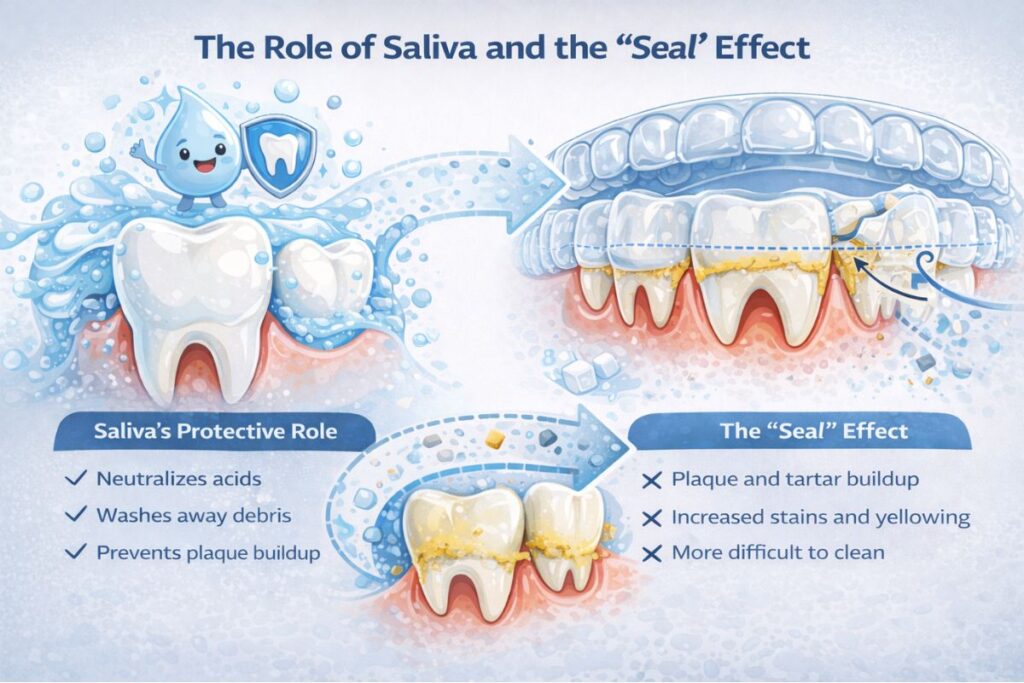
Saliva is the unsung hero of oral health, constantly neutralizing acids and washing away debris. Once you snap those aligners into place, you essentially block that natural cleaning cycle. Any sugar or pigment left behind after a snack becomes trapped against the tooth surface. This environment can lead to plaque buildup, which has a naturally yellowish hue. If left unchecked, this plaque can harden into tartar, which is much more difficult to remove at home and absorbs stains even faster.
Choosing to begin clear aligner therapy in Pasadena means taking on a new level of responsibility for your oral hygiene. Because our local lifestyle often involves grabbing a quick latte near Old Pasadena or enjoying a meal on Lake Avenue, it is easy to forget that even a small sip of a colored beverage can seep under the trays. This constant exposure to pigments, without the buffering effect of saliva, often leads to the yellowing that many patients report.
Attachments: The Hidden Stain Magnets
Modern orthodontic technology often requires “attachments” or “buttons”—small, tooth-colored bumps made of composite resin. These are essential for giving the aligners the leverage they need to rotate or move specific teeth. However, composite resin is more porous than natural tooth enamel. Because of this texture, these bumps tend to pick up stains from mustard, turmeric, or red wine much faster than the rest of your tooth.
When you look in the mirror, it might seem like your entire tooth is yellowing, but often it is just the attachment and the excess resin around it that has changed color. Keeping these areas clean requires extra attention with a soft-bristled brush. Maintaining the brightness of your smile while undergoing clear aligner therapy in Pasadena involves recognizing that these attachments need a little more cleaning or polishing during your morning and nightly routines.
The Importance of Tray Hygiene
Sometimes the teeth aren’t the problem at all; it’s the trays themselves. Over time, the plastic can become slightly scratched or porous, allowing bacteria to colonize the surface. If you don’t clean your aligners daily, they can develop a film that looks yellow or cloudy. When you place a stained tray over your white teeth, they naturally appear discolored.
Avoid using hot water to clean your trays, as this can warp the plastic. Instead, use a gentle, clear soap or specialized cleaning crystals. Many patients make the mistake of using colored mouthwash to soak their trays, which can dye the plastic, resulting in a permanent yellow tint for the remainder of the two-week wear period. Consistency is key here; a clean tray is the foundation of a bright-looking smile.
Preventing Stains While Staying on Track
- Brush After Every Meal: This is non-negotiable. If you eat and then put your trays back in without brushing, you are essentially “marinating” your teeth in food particles.
- Drink Water Only: While your trays are in, stick to plain water. Anything with sugar or acid can get trapped and lead to both yellowing and decay.
- Floss Daily: Plaque buildup between teeth can make the tooth edges look yellow. Flossing ensures that the aligners fit perfectly and that no debris is trapped.
- Regular Professional Cleanings: Don’t skip your dental hygiene appointments. A professional cleaning can remove stubborn tartar that your toothbrush can’t reach.
Integrating these habits into your life ensures that your journey with clear aligner therapy ends with a smile that is both straight and vibrant. We often see patients focus so much on moving their teeth that they let their oral hygiene slip but to achieve the best results, you need to prioritize both at the same time.
The temporary frustration of a slightly yellowed smile is manageable with the right adjustments to your routine. By focusing on tray cleanliness and being mindful of what you eat and drink, you can protect your enamel throughout the process. A straight smile is a lifelong asset, and keeping it bright is simply part of the maintenance that comes with modern orthodontics.
If you are concerned about your teeth’s color or ready to start your own transformation, we are here to help. Our team provides the guidance you need to keep your teeth healthy and white from the first tray to the last. Contact Blue Door Dental Pasadena today to schedule your consultation and see if clear aligner therapy is right for you.
People Also Ask
1. Can I use whitening gel inside my aligner trays?
Yes, some whitening products are specifically designed for use with clear aligners. However, it is important to consult your dentist first. If you have attachments on your teeth, whitening might result in “uneven” results, as the area under the attachment won’t be reached by the gel, leaving a darker spot once the buttons are removed.
2. Why do my teeth feel sensitive when they start to look yellow?
Yellowing can sometimes be a sign of thinning enamel or plaque buildup that is irritating the gums. If the yellowing is accompanied by sensitivity, it could be that the acidity of trapped food is wearing down your enamel. Ensuring your teeth are perfectly clean before putting trays back in usually resolves this.
3. Will the yellowing go away after I finish my treatment?
Most surface stains can be easily removed with a professional cleaning or a whitening treatment after your orthodontic work is complete. Once the attachments are removed and you are no longer wearing trays for twenty-two hours a day, your saliva can resume its natural protective and cleaning functions.
4. Does smoking affect clear aligners more than traditional braces?
Smoking is particularly detrimental during tray-based treatment. Nicotine and tar get trapped inside the aligners, holding them against your teeth and staining the plastic trays almost instantly. This leads to severe, deep-seated yellowing that is very difficult to reverse during treatment.