If you’ve been Googling what dental veneers actually fix (and what they don’t) in Pasadena, you’re not alone. Veneers are one of the most searched cosmetic dental treatments — and one of the most misunderstood. Some patients think veneers solve every smile problem. Others assume they’re only for celebrities. The truth is somewhere in the middle.
At Blue Door Dental, Dr. Thomas Pacheco helps Pasadena patients understand their options clearly before committing to any treatment. This article breaks down exactly what veneers do, what they cover, and where their limits are.
What Are Dental Veneers, Exactly?
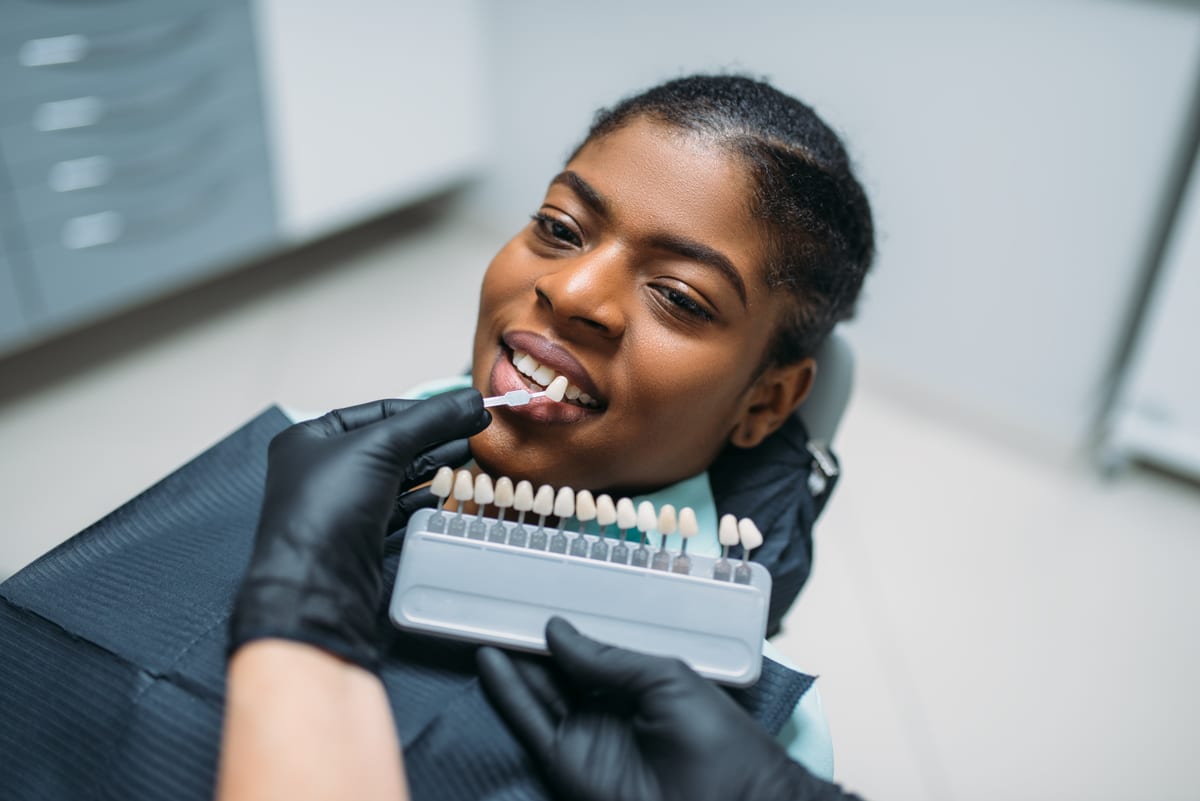
Veneers are thin shells of porcelain or composite resin. They bond directly to the front surface of your teeth. Think of them like a custom-fitted cover that changes how your tooth looks from the outside.
Porcelain veneers are the most common choice. They’re durable, stain-resistant, and look remarkably natural. Composite veneers are a faster, more affordable option — but they don’t last as long.
The placement process usually takes two to three appointments. Dr. Pacheco removes a small amount of enamel from each tooth being treated. This creates space for the veneer to sit flush with your natural smile. Once bonded, veneers are a permanent change to those teeth.
Veneers fall under the broader category of Cosmetic Dentistry Pasadena patients seek when they want to improve the appearance of their smile. They address surface-level concerns — not structural or health-related ones.
What Dental Veneers Can Fix in Pasadena Smiles
Veneers are genuinely effective for a specific range of cosmetic concerns. Here’s what they do well:
- Discoloration that won’t whiten: Tetracycline stains, fluorosis, and deep intrinsic staining don’t respond to whitening treatments. Veneers cover those stains completely.
- Chips and minor cracks: Small chips on the front teeth can be concealed with a veneer, restoring a smooth, even appearance.
- Gaps between teeth: Mild spacing between front teeth can be closed with veneers without orthodontic treatment.
- Uneven or misshapen teeth: Teeth that appear too short, too small, or irregularly shaped can be built up and reshaped.
- Mild crowding or slight crookedness: When teeth are only slightly out of alignment, veneers can create the appearance of a straighter smile.
- Worn enamel: Teeth worn down by grinding or acid erosion can be restored visually with veneers.
It’s important to note that veneers address how your teeth look — not how they function structurally. When the underlying tooth is healthy, veneers are an excellent option.
What Dental Veneers Cannot Fix
Veneers are not a universal solution. There are real limitations, and Dr. Pacheco will always be upfront about them during your consultation.
Here are situations where veneers are not the right answer:
- Severe misalignment or bite issues: Veneers can’t correct significant crowding or a misaligned bite. Orthodontic treatment like Invisalign is more appropriate in those cases.
- Missing teeth: If a tooth is gone entirely, a veneer has nothing to attach to. Dental implants or bridges are the correct solution.
- Active gum disease or decay: Placing veneers over unhealthy teeth traps problems underneath. Any infection or decay must be treated first.
- Severely damaged teeth: A tooth that is cracked deeply, broken beyond the gumline, or structurally compromised needs restorative work — not a veneer.
- Teeth grinding (bruxism): Grinding puts enormous pressure on veneers. Without treating the underlying bruxism, veneers may crack or debond quickly.
If you’re dealing with a dental emergency or sudden tooth damage, that’s a different situation entirely. Emergency Dentistry Pasadena patients need is focused on restoring health first — cosmetic improvements come later.
Are You a Good Candidate for Veneers?
Veneers work best for patients who already have healthy teeth and gums. Your oral health must be stable before any cosmetic work begins. Dr. Pacheco will assess your teeth, gum tissue, and bite during your initial consultation.
Good candidates for veneers typically:
- Have teeth free of active decay or gum disease
- Want to fix cosmetic concerns like staining, chips, or gaps
- Understand that veneers involve permanent enamel removal
- Are not heavy teeth grinders — or are willing to wear a night guard
Age also matters. Younger patients whose teeth are still developing may not be ideal candidates yet. Dr. Pacheco will give you an honest assessment based on your specific situation.
It’s also worth considering whether veneers are the right scope of treatment. Sometimes a simple whitening treatment or bonding procedure achieves similar results with less commitment. Other times, veneers are clearly the better long-term investment.
What to Expect During the Veneer Process at Blue Door Dental
Understanding the process helps patients feel confident before they begin. Here’s how Dr. Pacheco approaches veneer treatment in Pasadena:
- Consultation: Dr. Pacheco examines your teeth and discusses your goals. He’ll let you know if veneers are appropriate or if another treatment would serve you better.
- Preparation: A small layer of enamel is removed from the front of each tooth. This step is permanent — it’s what allows the veneer to sit naturally.
- Impressions: Molds or digital scans of your teeth are sent to a dental lab. Temporary veneers protect your teeth in the meantime.
- Placement: Once your custom veneers arrive, Dr. Pacheco bonds them carefully to your teeth. He checks your bite and makes any minor adjustments needed.
- Follow-up: A final check-in ensures everything feels comfortable and looks right.
Most patients adjust to their new veneers quickly. With proper care, porcelain veneers can last 10 to 15 years or more.
Veneers vs. Other Cosmetic Options: Which Is Right for You?
Veneers aren’t the only way to improve your smile. Understanding how they compare to other treatments helps you make an informed decision.
Teeth whitening is non-invasive and effective for surface staining. But it can’t fix chips, cracks, or intrinsic discoloration. Dental bonding is a quick fix for minor chips — it uses composite resin applied directly to the tooth. It’s less expensive than veneers but may not last as long.
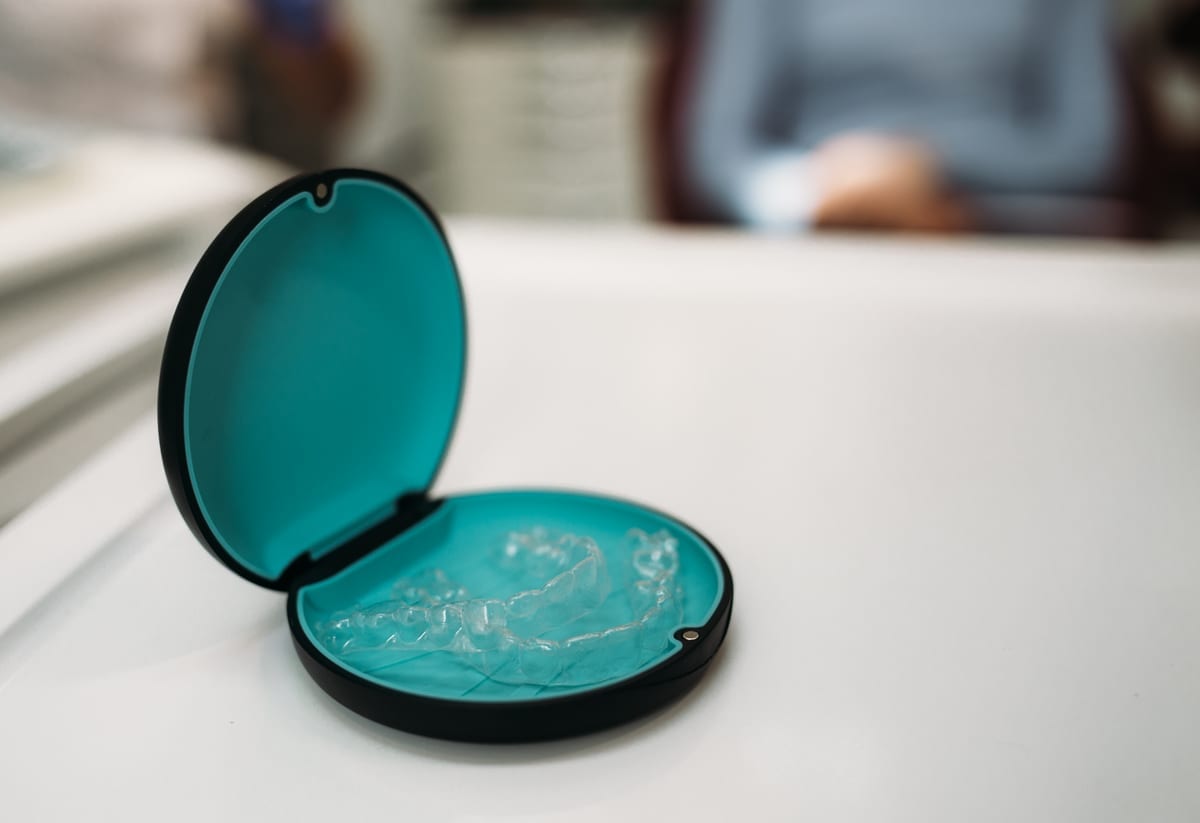
Orthodontic treatments like Invisalign or clear aligners address alignment and bite issues that veneers simply cannot correct. If your main concern is crooked teeth rather than cosmetic appearance, straightening your teeth first may be the smarter path.
Dr. Pacheco takes a conservative approach. He’ll recommend the least invasive treatment that still achieves your goal. Sometimes the right answer is a combination — maybe Invisalign first, then veneers for final cosmetic refinement.
Conclusion: Making the Right Choice for Your Smile
Veneers are a powerful cosmetic tool when used correctly. They fix discoloration, chips, gaps, and mild irregularities beautifully. But they’re not a substitute for restorative care, orthodontics, or implants. Understanding what dental veneers actually fix — and what they don’t — in Pasadena helps you walk into your consultation with realistic expectations and the right questions.
Dr. Thomas Pacheco and the team at Blue Door Dental are here to help you figure out the best path for your specific smile. Book Now to schedule your appointment with our team.
Frequently Asked Questions
Do dental veneers hurt to get?
Most patients experience minimal discomfort during the veneer process. Dr. Pacheco uses local anesthesia during the enamel preparation step. Some sensitivity in the days following placement is normal and typically resolves quickly.
How long do porcelain veneers last?
With proper care, porcelain veneers typically last 10 to 15 years. Avoiding hard foods, wearing a night guard if you grind, and maintaining regular dental cleanings all help extend their lifespan.
Can veneers fix crooked teeth without braces?
Veneers can improve the appearance of mildly uneven teeth. However, they cannot correct significant misalignment or bite problems. In those cases, orthodontic treatment like Invisalign is the more appropriate solution.
Will veneers stain over time?
Porcelain veneers are highly resistant to staining — more so than natural enamel. Composite veneers can stain more easily over time. Limiting coffee, red wine, and tobacco helps maintain their appearance.
What happens if a veneer chips or falls off?
Veneers can occasionally chip or detach, especially from trauma or grinding. Contact Blue Door Dental as soon as possible if this happens. Dr. Pacheco can assess whether the veneer can be rebonded or needs to be replaced.