If you’ve ever wondered what’s actually happening inside your mouth during Invisalign treatment, you’re not alone. Many Pasadena patients assume the clear aligners simply push teeth around — but the science is far more precise. Understanding inside Invisalign and the step-by-step science behind teeth movement in Pasadena helps you become a more informed, confident patient. At Blue Door Dental, Dr. Thomas Pacheco believes education is the foundation of great dental care.
How Invisalign Actually Moves Your Teeth: The Science Explained
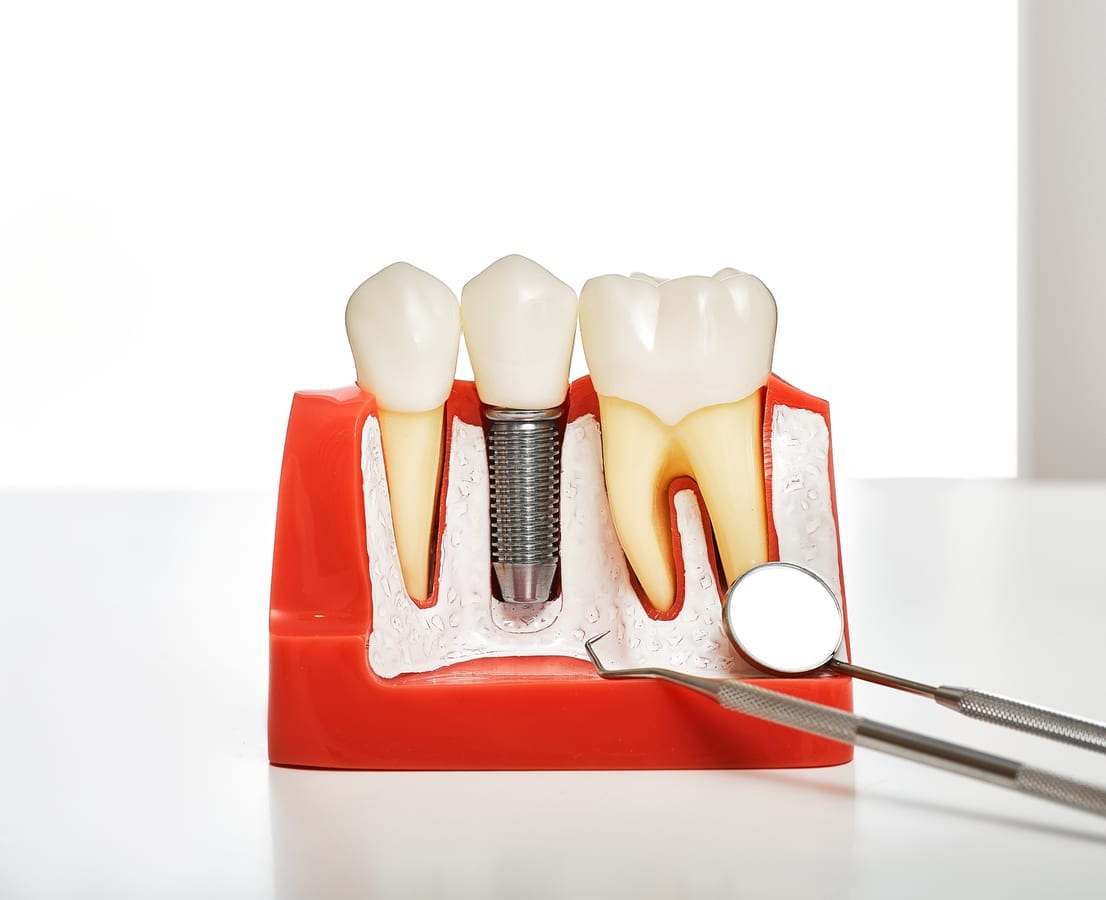
Teeth don’t sit rigidly in your jaw. They are held in place by a flexible tissue called the periodontal ligament. This ligament responds to consistent, gentle pressure by gradually allowing teeth to shift position. Invisalign leverages this biological process deliberately and precisely.
Each set of aligners applies controlled force to specific teeth. That pressure stimulates bone remodeling — old bone dissolves on the pressure side and new bone forms on the tension side. Over weeks, your teeth physically move into their new positions. This is the same biological principle behind traditional braces, just achieved differently.
Because Invisalign uses smooth plastic rather than metal brackets, the pressure is distributed more evenly. Dr. Pacheco customizes every treatment plan using 3D imaging software to map exactly where each tooth needs to go. Nothing in Invisalign treatment happens by accident.
The Aligner Change Schedule: Why Timing Matters in Pasadena Treatment
Most patients receive a series of aligners they wear in a specific sequence. Each aligner in the series moves teeth a fraction of a millimeter. The cumulative effect of all aligners produces your final smile result.
Dr. Pacheco typically recommends changing aligners every one to two weeks. This schedule allows enough time for the periodontal ligament to respond without causing unnecessary discomfort. Rushing the schedule can actually slow progress by not allowing bone remodeling to complete properly.
Consistency is critical. You must wear aligners for 20 to 22 hours per day. Removing them too frequently reduces the pressure needed for bone remodeling. Many Pasadena patients find it helpful to keep a simple log of wear time, especially in the first few weeks of treatment.
- Wear aligners 20–22 hours every day without exception
- Remove them only to eat, drink anything other than water, and brush
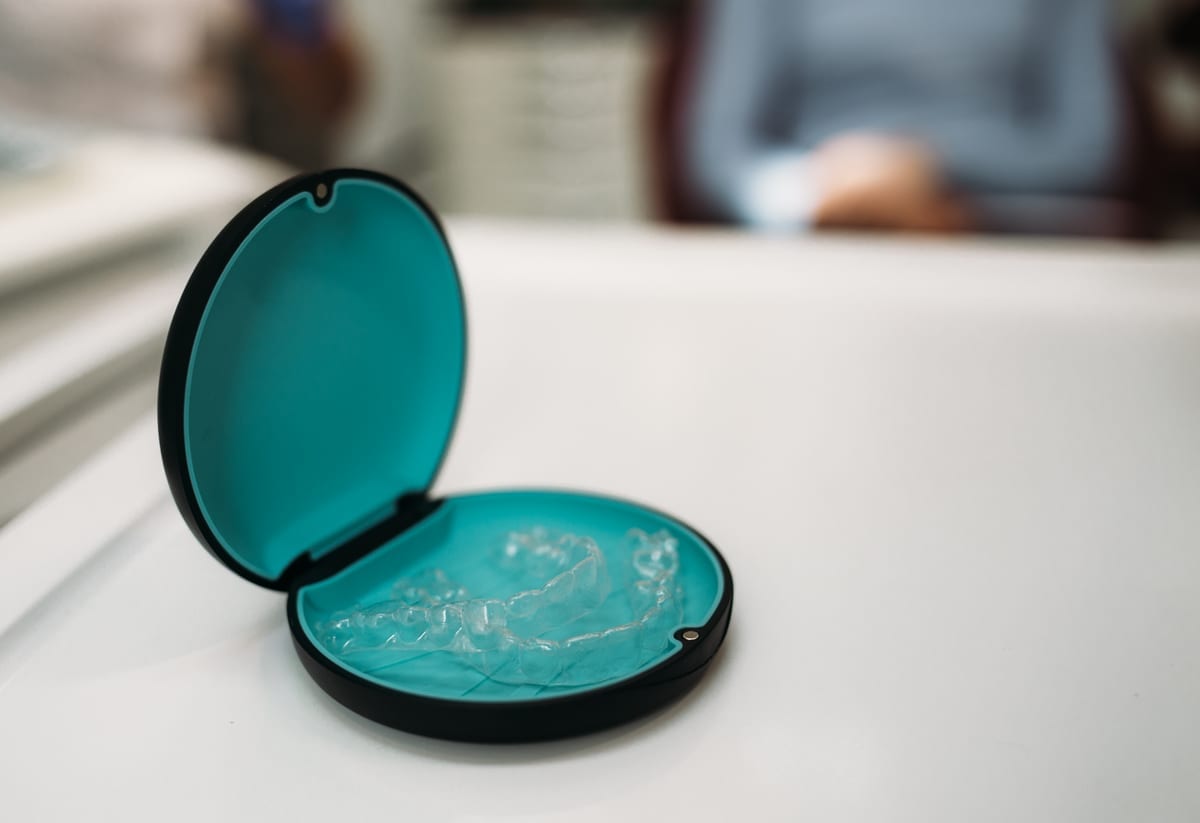
- Always store aligners in their case to prevent loss or damage
- Rinse aligners with cool water when removing them
- Never skip ahead to the next aligner prematurely
What Are Invisalign Attachments and Why Are They Used?
Not every tooth moves easily with aligner pressure alone. That’s where attachments come in. Attachments are small tooth-colored dots made of composite resin bonded directly to specific teeth. They give the aligner something extra to grip, allowing more complex movements to occur.
Think of attachments as handles. Without them, certain rotations or vertical movements would be extremely difficult to achieve. Dr. Pacheco determines which teeth need attachments based on your personalized treatment plan. Some patients need just a few. Others may need attachments on many teeth throughout treatment.
Attachments are virtually invisible to others in daily life. They do not damage your enamel when properly applied or removed. At the end of treatment, Dr. Pacheco removes them and polishes the tooth surface back to normal. Most patients forget they even have attachments after the first week or two.
Understanding Refinements: When Treatment Needs Fine-Tuning
Refinements are additional sets of aligners prescribed after your initial series is complete. They address any remaining tooth movements that didn’t fully achieve the planned result. Refinements are a normal, expected part of Invisalign treatment — not a sign that anything went wrong.
Teeth are biological structures. They don’t always move exactly as predicted by software models. Factors like wear time, tooth density, and individual biology can influence how teeth respond. Refinements allow Dr. Pacheco to update your treatment plan based on real-world progress.
During your check-up appointments at Blue Door Dental, Dr. Pacheco monitors your tooth movement closely. He compares your actual progress to your digital treatment map. If refinements are needed, new impressions or scans are taken and a fresh series of aligners is designed. This stage-by-stage approach ensures your final result is as precise as possible.
- Refinements are common and built into most Invisalign treatment timelines
- They correct minor gaps between planned and actual tooth positions
- New digital scans guide the updated aligner design
- Refinements do not restart your entire treatment from zero
- Consistent wear time reduces the likelihood of needing extensive refinements
Supporting Your Invisalign Journey with Preventive and Emergency Care
Invisalign treatment works best when your overall oral health is strong. Healthy gums and clean teeth respond better to aligner pressure and bone remodeling. That’s why Preventive Dentistry Pasadena is such an important part of any orthodontic journey at Blue Door Dental.
Regular cleanings and exams during your Invisalign treatment help Dr. Pacheco monitor both your smile progress and your overall dental health. Plaque buildup under aligners can increase cavity risk. Keeping your teeth clean protects the investment you’re making in your new smile.
Occasionally, patients experience unexpected dental issues during treatment. A cracked tooth or a lost aligner can disrupt your progress if not addressed quickly. That’s why having access to Emergency Dentistry Pasadena matters. Dr. Pacheco’s team is ready to help Pasadena patients handle urgent dental situations without losing momentum in their Invisalign journey.
What to Expect Step by Step During Invisalign at Blue Door Dental
Understanding the full process helps reduce anxiety and sets realistic expectations. Here is a general overview of how Invisalign treatment unfolds at Blue Door Dental in Pasadena.
- Consultation: Dr. Pacheco evaluates your teeth, discusses your goals, and determines if Invisalign is right for you.
- Digital Scanning: A 3D scan of your teeth creates the foundation for your personalized treatment map.
- Treatment Planning: Dr. Pacheco reviews your digital smile simulation and customizes your aligner series.
- Aligner Delivery: You receive your first sets of aligners and detailed instructions for wear and care.
- Progress Checks: Regular appointments allow Dr. Pacheco to monitor movement and ensure treatment stays on track.
- Refinements (if needed): Any remaining adjustments are addressed with a new aligner series.
- Retention: After active treatment ends, retainers preserve your new smile long-term.
Every step is guided by Dr. Pacheco’s expertise and Blue Door Dental’s commitment to personalized, patient-centered care. No two Invisalign journeys look exactly alike — and that’s exactly why customized planning matters so much.
Start Your Invisalign Journey in Pasadena Today
Invisalign is one of the most scientifically advanced orthodontic options available today. Understanding how aligners move teeth through bone remodeling, why the aligner change schedule matters, what attachments do, and how refinements work empowers you to get the most from your treatment. Dr. Thomas Pacheco and the Blue Door Dental team are proud to guide Pasadena patients through every step of this process with care, precision, and transparency. Book Now to schedule your appointment with our team.
Frequently Asked Questions
How long does Invisalign treatment typically take in Pasadena?
Treatment length varies depending on the complexity of your case. Most patients in Pasadena complete Invisalign treatment in 12 to 18 months. Simpler cases may finish sooner. Dr. Pacheco will give you a personalized timeline estimate during your initial consultation at Blue Door Dental.
Does Invisalign hurt when you change to a new aligner?
Some mild pressure or discomfort is normal when switching to a new aligner. This sensation typically lasts one to three days and indicates the aligners are working. The discomfort is generally much milder than what patients experience with traditional metal braces. Over-the-counter pain relievers can help if needed.
Can I eat and drink normally while using Invisalign?
Yes — one of Invisalign’s biggest advantages is that aligners are fully removable. You take them out to eat and drink anything other than plain water. This means no food restrictions during treatment. Just remember to brush and rinse before reinserting your aligners after meals.
What happens if I lose or break an aligner?
Contact Blue Door Dental as soon as possible if an aligner is lost or damaged. Dr. Pacheco may recommend moving to your next aligner in the series or replacing the current one, depending on where you are in your treatment. Prompt action prevents unnecessary delays in your progress.
Do I need a retainer after Invisalign treatment is complete?
Yes, retainers are essential after any orthodontic treatment, including Invisalign. Teeth naturally want to drift back toward their original positions after treatment ends. Wearing a retainer as directed by Dr. Pacheco preserves your results and protects the investment you made in your new smile.