Few dental procedures carry more fear than the root canal. Patients in Pasadena often cancel appointments the moment they hear those two words. But here is the truth — most of what people believe about root canals simply is not accurate. This guide tackles root canal myths debunked: what dentists wish you knew first, straight from the perspective of Dr. Thomas Pacheco at Blue Door Dental in Pasadena, CA. Understanding the facts can be the difference between saving your tooth and losing it.
Myth #1: Root Canals Are Extremely Painful
This is the most persistent myth in all of dentistry. Most patients expect unbearable pain — but that fear comes from outdated experiences. Modern root canal treatment uses advanced local anesthesia that numbs the area completely. You should feel pressure, not pain, during the procedure.
The discomfort patients associate with root canals is actually the toothache before treatment. The infected pulp causes that sharp, throbbing pain. The root canal removes the source of that pain. Most patients feel significant relief within a day or two after the procedure.
Dr. Pacheco and the team at Blue Door Dental prioritize patient comfort above all. Gentle technique and effective numbing make modern root canals far more tolerable than their reputation suggests. Many patients are genuinely surprised by how manageable the experience is.
Myth #2: It Is Better to Just Pull the Tooth
Some patients assume extraction is simpler and cheaper than saving a tooth. This is a short-sighted view of long-term oral health. Losing a natural tooth creates a gap. That gap leads to bone loss, shifting teeth, and bite problems over time.
Replacing a missing tooth with a dental implant or bridge adds cost and complexity. A root canal, when performed promptly, preserves your natural tooth. Natural teeth are always the preferred option when they can be saved.
Think of your natural tooth as an irreplaceable anchor in your jaw. It supports the surrounding teeth and maintains your bone structure. Extracting it sets off a chain reaction that can affect your entire smile. Saving the tooth with root canal treatment is almost always the smarter long-term choice.
- Natural teeth maintain jawbone density better than implants alone
- Root canals have a high success rate — often over 95%
- A restored tooth can last a lifetime with proper care
- Avoiding extraction prevents costly future treatments
Myth #3: Root Canals Cause Illness or Infection to Spread
A debunked theory from the early 1900s suggested root canals could spread bacteria and cause systemic illness. This claim has been thoroughly disproven by modern dental science. It was based on flawed research that has not held up under scrutiny.
In reality, a root canal removes infection — it does not spread it. The procedure cleans out infected or inflamed pulp tissue from inside the tooth. The canal is then sealed to prevent future bacterial entry. This protects both your tooth and your overall health.
Leaving an infected tooth untreated is the actual health risk. Dental infections can spread to the jaw, neck, and even the bloodstream. Treating infection promptly with a root canal is one of the most responsible steps you can take for your health. Do not let outdated myths stop you from getting necessary care.
Myth #4: You Only Need a Root Canal If Your Tooth Hurts
Pain is not always the signal that a root canal is needed. Some infected teeth cause little or no pain at all. The nerve inside the tooth may have already died, eliminating pain sensations entirely. This makes routine dental exams absolutely essential.
Dr. Pacheco uses digital X-rays and clinical evaluation to identify infections that patients cannot feel. Catching the problem early leads to simpler, more successful treatment. Waiting until the pain becomes unbearable means the infection has likely progressed further.
Here are signs that may indicate you need a root canal — even without severe pain:
- Prolonged sensitivity to hot or cold temperatures
- Darkening or discoloration of a tooth
- A small pimple-like bump on the gum near the tooth
- Tenderness or swelling in nearby gum tissue
- A cracked tooth with deep damage
If you notice any of these signs, do not wait. Early intervention protects both the tooth and surrounding structures.
What the Root Canal Process Actually Looks Like at Blue Door Dental
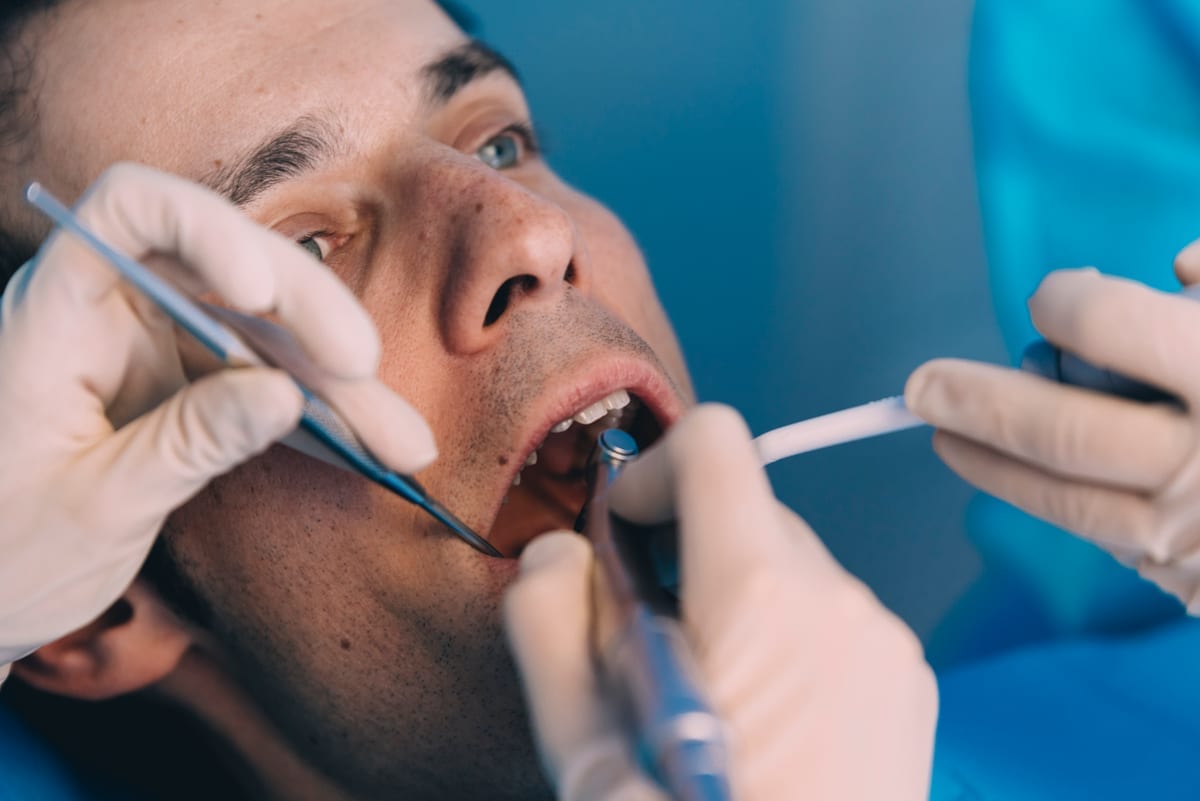
Knowing what to expect removes a lot of anxiety before treatment. At Blue Door Dental in Pasadena, the process is straightforward and patient-centered. Dr. Pacheco walks every patient through each step before beginning. Informed patients feel far more at ease in the chair.
Here is what you can expect during a typical root canal visit:
- Numbing: Local anesthesia is applied to ensure complete comfort throughout the procedure.
- Access: A small opening is created in the crown of the tooth to reach the pulp chamber.
- Cleaning: Infected or inflamed pulp tissue is carefully removed from the canals.
- Shaping and filling: The canals are shaped, disinfected, and filled with a biocompatible material called gutta-percha.
- Restoration: A crown is typically placed over the tooth at a follow-up visit to protect and strengthen it.
Most root canals are completed in one or two appointments. Recovery is usually mild. Over-the-counter pain relievers manage any post-procedure tenderness effectively. You can return to normal activities the same day in most cases.
Root Canals and Your Overall Smile Health in Pasadena
Saving a tooth with root canal treatment supports more than just that single tooth. It protects your bite alignment, jaw health, and overall smile aesthetics. Patients who preserve their natural teeth tend to have better long-term dental outcomes. That is a fact worth holding onto when fear tries to win.
If your smile has been affected by tooth loss or other concerns, Blue Door Dental also offers Cosmetic Dentistry Pasadena services to restore confidence in your appearance. And if you develop sudden tooth pain or swelling, Emergency Dentistry Pasadena is available to help you get prompt, compassionate care. Dr. Pacheco and the team are committed to treating every patient as a whole person — not just a set of symptoms.
Do not let dental myths dictate your health decisions. You deserve accurate information and a dental team that respects your concerns. Root canals are a safe, effective, and often pain-relieving procedure when you need them. Book Now to schedule your appointment with our team.
Frequently Asked Questions
Is a root canal really as painful as people say?
No — modern root canals are performed under effective local anesthesia, making the procedure much more comfortable than most patients expect. The pain people associate with root canals typically comes from the infection itself, not the treatment. Most patients report feeling significant relief after the procedure is complete.
How long does a root canal procedure take at Blue Door Dental?
Most root canals at Blue Door Dental in Pasadena are completed in one to two appointments, each lasting about 60 to 90 minutes. The complexity of the tooth and extent of infection can influence the timeline. Dr. Pacheco will give you a clear estimate during your consultation.
What happens if I avoid getting a root canal?
Avoiding a necessary root canal allows the infection to spread. It can reach the surrounding bone, gum tissue, and in serious cases, other areas of the body. Left untreated, the tooth will likely need to be extracted — leading to more complex and costly treatment down the road.
Will I need a crown after my root canal?
In most cases, yes. A crown is placed over the treated tooth to restore its strength and protect it from fracture. Back teeth especially need crowns because they absorb significant chewing force. Dr. Pacheco will recommend the best restoration option for your specific situation.
Can root canals fail, and what happens if they do?
Root canals have a very high success rate, but like any dental procedure, retreatment is occasionally needed. If a treated tooth becomes reinfected or the seal breaks down over time, a retreatment or surgical option called an apicoectomy may be recommended. Regular dental checkups help catch any concerns early before they become bigger problems.