Are you considering dental implants and wondering if your insurance can help with the cost? You’re not alone. Many people turn to implants to restore missing teeth, but the cost of the procedure can be daunting without the right coverage. Dental implants are a popular option for those looking to improve both the function and appearance of their smile. In Pasadena, where dental health is a priority for many residents, understanding your insurance options can make a significant difference.
In this blog, we will explore whether implants are covered by insurance in Pasadena, how different insurance plans work, factors that affect coverage, and tips to maximize your benefits. You’ll also learn about alternatives if your insurance doesn’t cover the full cost of implants.
What Are Dental Implants?
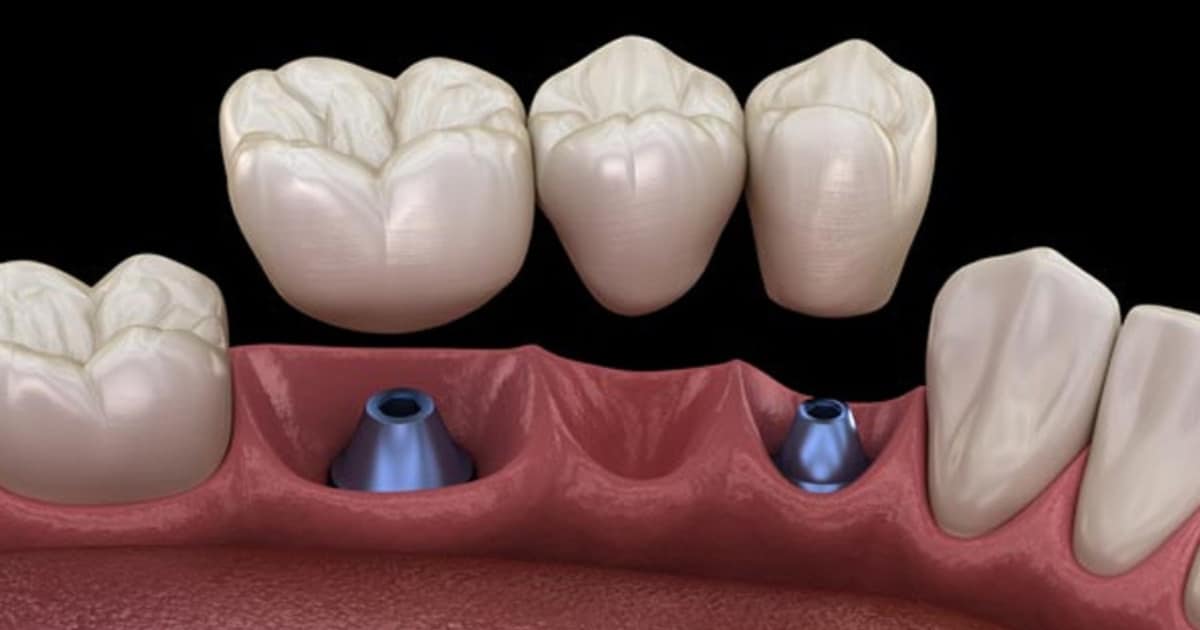
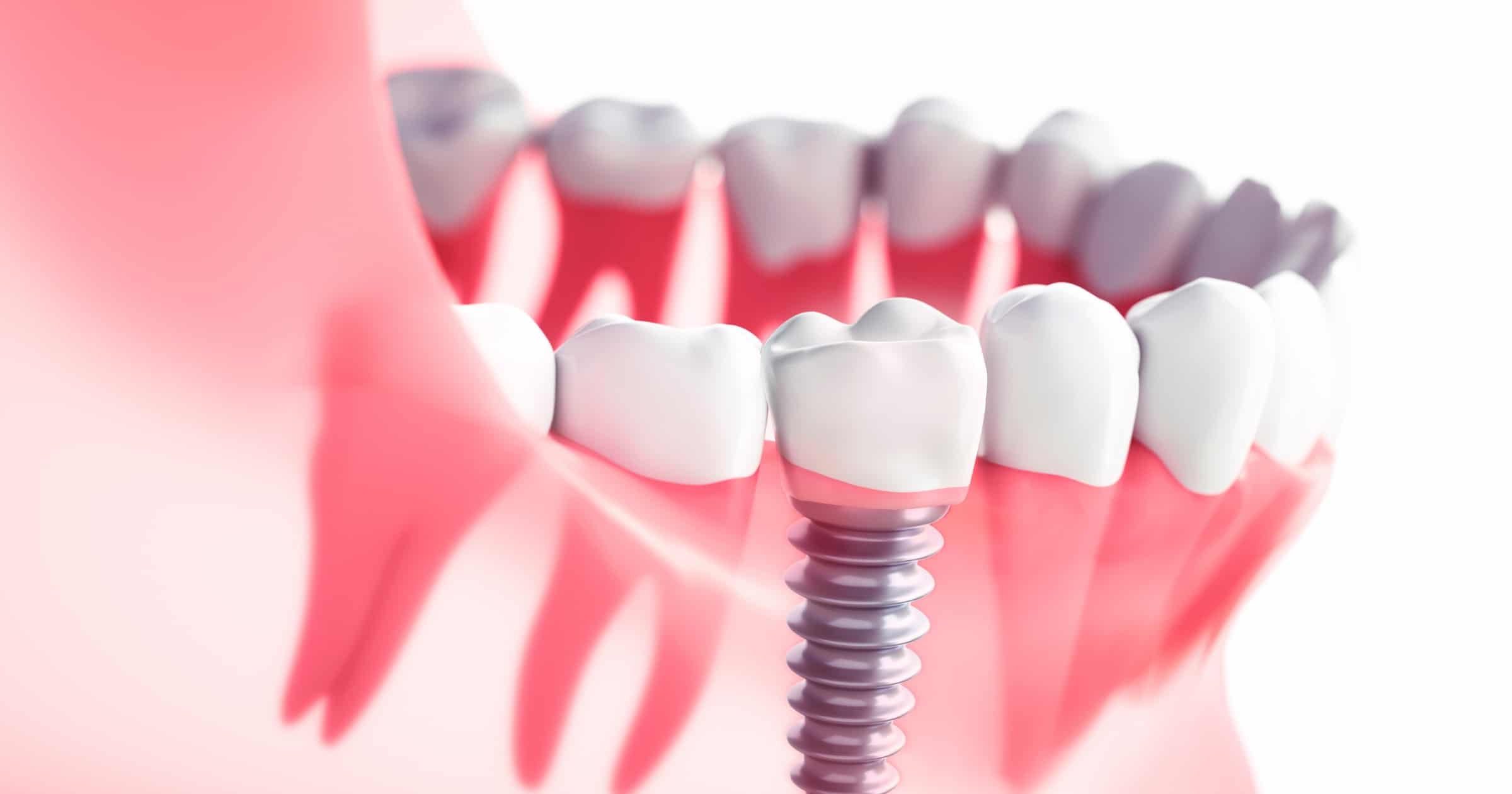
Dental implants are a modern and durable solution for replacing missing or damaged teeth. Unlike dentures or bridges, these artificial tooth roots are surgically placed into the jawbone, where they fuse with the bone over time. This makes them a permanent and stable solution for tooth replacement. The implant itself is typically made of titanium, which is biocompatible and encourages bone growth, ensuring a strong foundation for your new tooth.
One of the major benefits of dental implants is their natural look and feel. They mimic the structure of natural teeth, providing not only aesthetic benefits but also functional ones. Implants restore your ability to chew and speak properly, giving you back the confidence that comes with a complete smile. Plus, with proper care, these prosthetic teeth can last a lifetime, making them a great long-term investment in your oral health.
Understanding Insurance Coverage for Dental Implants
Dental insurance typically covers a range of preventive, diagnostic, and restorative procedures, but coverage for implants can be a bit more complicated. Most traditional dental insurance plans categorize implants as a major procedure, which means they may not be fully covered under standard plans.
In contrast, medical insurance might cover implants if they are necessary for medical reasons, such as in the case of an injury or congenital condition. However, cosmetic implants for purely aesthetic purposes are usually not covered under either dental or medical insurance plans.
In Pasadena, several local insurance providers, including Delta Dental and Cigna, offer plans that may cover dental implants, but it’s important to check with your insurance company to understand the specifics of your policy. Insurance coverage for these artificial tooth roots can vary based on the type of plan and the details of the procedure you need.
Factors Affecting Insurance Coverage for Dental Implants
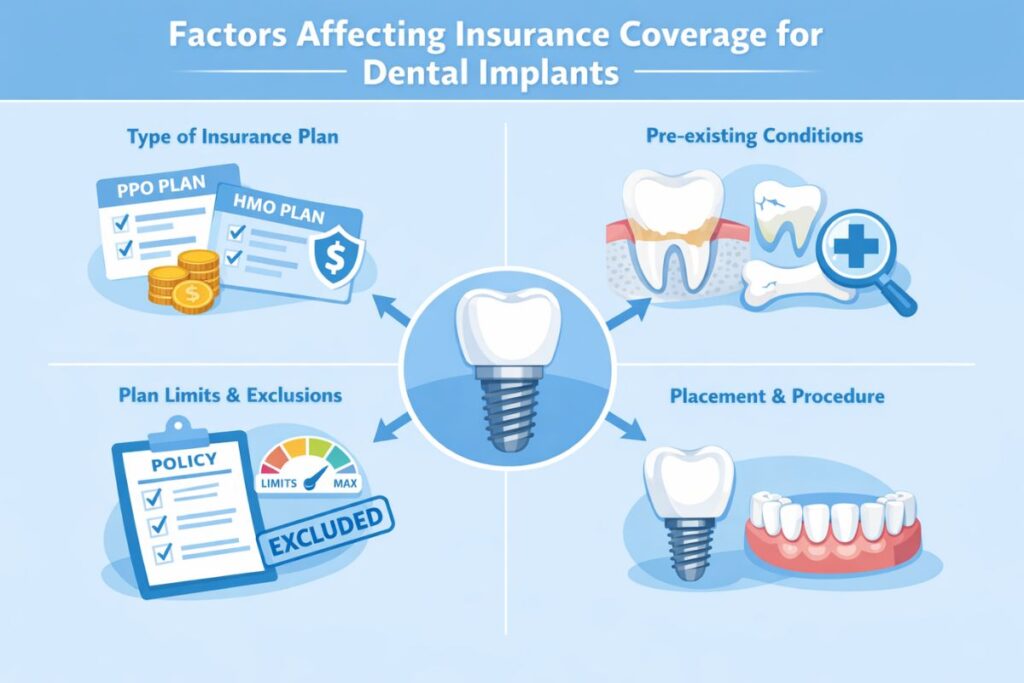
Several factors can impact how much of your dental implant in Pasadena will be covered by insurance.
- Type of Insurance Plan: The type of dental insurance you have plays a significant role. For example, a PPO (Preferred Provider Organization) plan may offer more flexibility, but you may still face high out-of-pocket costs. An HMO (Health Maintenance Organization) plan, on the other hand, may limit your options but provide lower out-of-pocket costs.
- Pre-existing Conditions: Your dental health history can affect coverage. If you have underlying health issues, such as gum disease or jawbone loss, that need to be addressed before getting implants, this may increase the cost of the procedure and may or may not be covered by insurance.
- Plan Limits and Exclusions: Many insurance plans have annual coverage limits or specific exclusions for major procedures like dental implants. It’s essential to review your insurance policy to understand whether there are caps on how much they will cover for implant procedures.
- Placement and Procedure: The specifics of your procedure, such as whether you need a single implant or a full arch restoration, can also affect how much is covered. Full-mouth restorations may be classified differently by insurance companies and are less likely to be fully covered.
Does Your Insurance Cover Dental Implants in Pasadena?
In Pasadena, several popular insurance providers may cover part of your dental implant procedure. Providers like Delta Dental, Cigna, and Guardian have been known to offer varying levels of coverage for implants. However, coverage can differ from plan to plan, so it’s crucial to contact your provider to confirm whether implants are included in your policy.
When it comes to in-network versus out-of-network coverage, in-network dental providers typically offer lower out-of-pocket costs. If you choose to see a provider out-of-network, you might be responsible for a larger portion of the cost. It’s always a good idea to verify if your dentist, such as those at Blue Door Dental, is in-network with your insurance provider to maximize your benefits.
On average, insurance might cover 10-50% of the cost of these prosthetic teeth, depending on your plan. However, most insurance plans have a lifetime maximum for implant procedures, meaning you might have to cover the rest yourself.
How to Maximize Your Insurance Benefits for Dental Implants
To get the most out of your insurance plan when considering a dental implant in Pasadena, follow these tips:
- Pre-authorization Process: Before scheduling your implant procedure, make sure to get pre-authorization from your insurance provider. This ensures that your insurance company approves the procedure and gives you a clear understanding of how much coverage you’ll receive.
- Flexible Spending Accounts (FSA) and Health Savings Accounts (HSA): If your insurance doesn’t fully cover the implants, using an FSA or HSA can help offset some of the cost. These accounts allow you to save money tax-free for medical expenses, including dental implants.
- Financing Options: If your insurance doesn’t cover all the costs, many dental offices, including Blue Door Dental, offer financing options. This allows you to pay for your implants over time, making the procedure more affordable.
What If My Insurance Doesn’t Cover Dental Implants?
If your insurance doesn’t cover implants, don’t worry. There are still options available to help make the procedure more affordable.
- Other Financing Solutions: Many dental offices, including Blue Door Dental, offer third-party financing options that allow you to pay for your dental implants over a longer period. Payment plans can help make the treatment more manageable.
- Considerations for Self-Paying: If you choose to pay out-of-pocket, you may find that the long-term benefits of these artificial tooth roots outweigh the initial cost. Dental implants are a permanent solution, whereas other options like bridges or dentures may need to be replaced more frequently.
- Alternative Solutions: If these prosthetic teeth are out of reach financially, consider alternatives such as dental bridges or dentures. While these options may not offer the same stability as implants. But they can be more affordable and provide a good solution for tooth replacement.
Understanding whether dental implants are covered by insurance in Pasadena can help you make an informed decision about your treatment options. Implants are an excellent solution for restoring missing teeth, but navigating insurance coverage can be tricky. It’s important to review your policy and explore all available options. Including financing, FSAs, and HSAs, to ensure that you get the care you need.
If you’re ready to take the next step, contact Blue Door Dental today to schedule a consultation. Our team will help you explore your insurance options and make dental implants a reality for you!
What People Want to Know
1. Will my pre-existing conditions affect my insurance coverage for implants?
Yes, pre-existing conditions like gum disease or bone loss may require additional treatment before getting implants. And not all of that may be covered by insurance.
2. Do insurance plans have coverage limits for dental implants?
Yes, most dental plans have a coverage limit. They will only cover a certain amount for dental implants per year, and you may have to pay the rest.
3. How do dental implant procedures affect insurance coverage?
The complexity of the procedure, such as a single implant versus a full arch restoration, can influence how much is covered. More complex procedures may incur higher costs.
4. Can I use dental insurance for multiple dental implants?
Some plans may cover multiple implants, but coverage may be limited by annual caps. You may need to check with your insurance provider for specific details.
5. Do all dental insurance plans cover dental implants?
No, not all dental insurance plans cover implants. Coverage depends on the specifics of your plan and whether the implant is medically necessary.